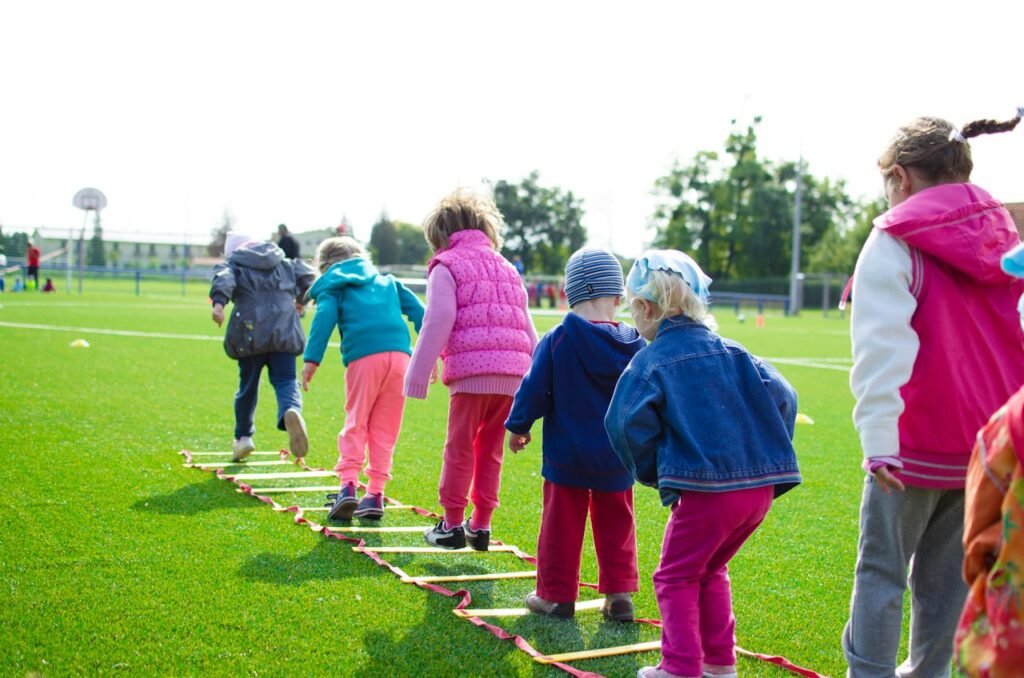
In a world where sedentary lifestyles are becoming common, the importance of physical activity cannot be underestimated. However, many people struggle with barriers that prevent them from being active – from lack of skills or energy to negative social influences. If you’re having trouble staying consistent or even starting to exercise, you’re not alone. Fortunately, these barriers can be addressed with a combination of mindset changes, strategic action, and the right support.
1. How to Overcome Lack of Skills in Physical Activity
One of the most common reasons people avoid physical activity is the belief that they aren’t “good enough” at it. Whether it’s a lack of coordination, strength, or familiarity with equipment, feeling unskilled can be intimidating. But here’s the good news: skills are built, not born.
Start with beginner-friendly activities like walking, swimming, or yoga. These forms of exercise are low-pressure and allow you to build confidence gradually. You can also find thousands of guided tutorials and beginner workout videos online. Just like learning any new skill—whether it’s web design or building a website with a platform like Hostinger—the key is consistency and patience.
Consider joining a class for beginners, where everyone is starting from a similar level. You’ll benefit from professional instruction and the support of a group setting, which can significantly boost your motivation.
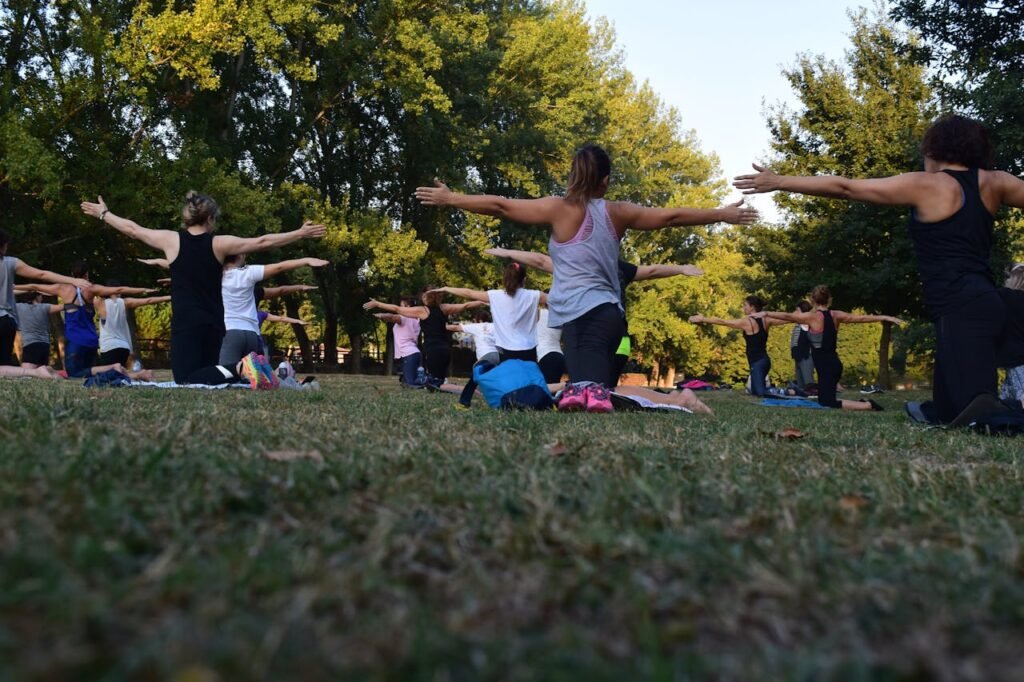
2. How to Deal with Lack of Physical Activity
If you’ve been inactive for a long time, jumping straight into an intense routine can feel overwhelming. The secret to overcoming inactivity lies in starting small. You don’t need to spend hours at the gym—aim for short, manageable sessions that gradually increase over time.
For example, start with 10-minute daily walks, take the stairs instead of the elevator, or stretch during work breaks. These small shifts can compound into powerful habits.
Just like launching a small online project with a reliable hosting provider and watching it grow over time, physical activity builds momentum. Once your body adapts and your confidence grows, you’ll find it easier to do more.
Also, make activity part of your routine: schedule workouts into your calendar just like meetings or appointments. Treating exercise as a non-negotiable part of your day can help it become second nature.
3. How to Overcome Lack of Energy in Physical Activity
Fatigue is a major obstacle for many people, but ironically, exercise is one of the most effective ways to boost energy. If you’re struggling to even get started, begin with light activities like stretching or gentle yoga. These can stimulate your circulation and elevate your mood without exhausting you.
Hydration and nutrition also play a critical role in energy levels. Make sure you’re drinking enough water and eating balanced meals that include protein, healthy fats, and complex carbs. Avoid skipping meals, as this can lead to energy crashes that derail your motivation.
Sleep is another factor to consider. A consistent sleep schedule supports recovery and stamina. If you’re working long hours, consider short “movement breaks” throughout your day. Think of it like giving your website a quick update on Hostinger to keep everything running smoothly—your body needs regular attention too.

4. How to Overcome Social Influence in Physical Activity
Social pressure can either push us forward or hold us back. If your friends or family don’t value exercise, it’s easy to lose motivation or feel isolated in your goals. The key here is to surround yourself with support.
Look for online fitness communities, group classes, or even workout buddies who share your interests. Joining a group aligned with your goals makes it easier to stay accountable and inspired.
Also, remember that you don’t need external approval to prioritize your health. Just as someone might choose to start their own business and trust their instincts when selecting tools like Hostinger for their online presence, you can make fitness a personal decision and commitment.
Be vocal about your goals and invite others to join you, but stay firm if they don’t. Your journey is your own, and choosing to be active is an investment in both your mental and physical well-being.
Final Thoughts
Overcoming challenges related to physical activity requires a mix of strategy, support, and self-compassion. Whether you’re facing a lack of skills, energy, or social encouragement, the most important step is to begin. Build slowly, stay consistent, and choose tools—just like you’d choose a solid hosting platform—that make your journey smoother.
In the end, physical activity isn’t just about fitness—it’s about building the energy, confidence, and resilience to live your best life.